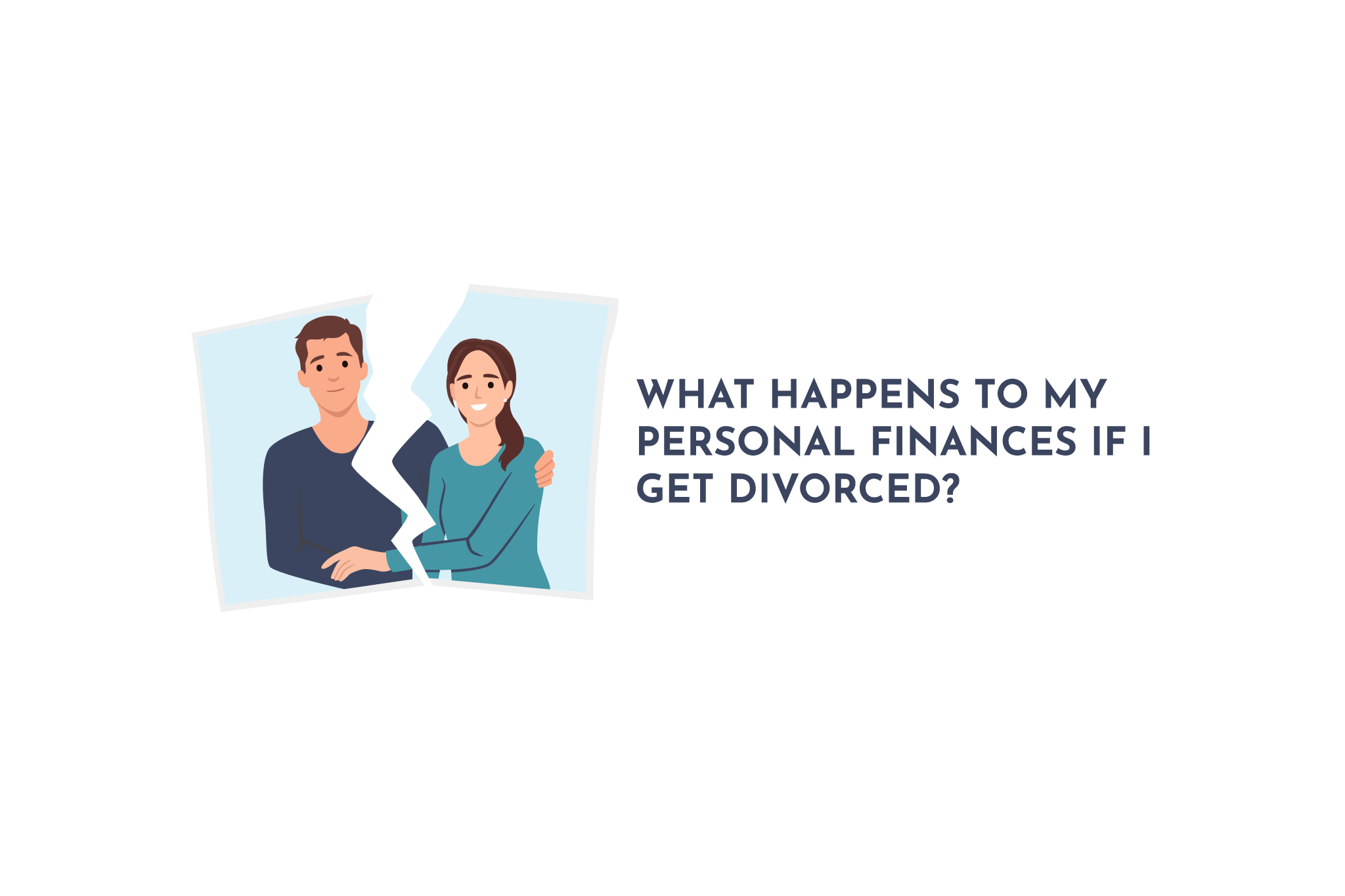

Obviously, no one gets married with the idea that they will not be with that partner forever. The reality is that in many cases, that isn’t how it ends up. I am sure that we’ve all heard someone say that ‘half of today’s marriages end up in divorce’, but where do they get that number from? In 2020, statistics showed that the number of divorces granted that year was the lowest amount since 1973. Now some of the low rate in 2020 may have been due to the external factor of COVID-19 reducing access to court services so people simply couldn’t file for divorce, but it’s still the reality that almost at almost 40%, the divorce rate in Canada shows us that every year many people are facing the reality that they need to come up with a plan on how to move forward alone when they had been planning on moving forward with a partner. Along with the significant social and psychological impact that a divorce can have, it also has significant financial implications for many people. So let’s take a look at some common things that crop up financially for people who have gotten divorced and how they can deal with them.
In This Article:
- Issues Leading Up To Divorce
- Adjustments That You Need to Make Right Away
- Things That You Need to Think About for the Future
- The Bottom Line
Issues Leading Up To Divorce
When the decision has been made to separate as a married couple, you now face a few things financially that you need to have a handle on.
- You need to be able to divide your assets fairly. This includes simple things like splitting a bank account balance and more complicated things, like what to do with a pension that has been accumulating for one spouse during the marriage. Working with a financial advisor at this time will allow you to get things like the fair market value of investments, pensions, and other assets, to allow you to have accurate numbers for figuring out how to divide everything up. An advisor should be able to model different scenarios for you, showing various outcomes to ensure that the split of assets is equitable.
- You also need to divide up the debt. When you were married, you likely had joint debts like credit cards, loans, or lines of credit that both partners had access to. This is often a bit more contentious, but a financial advisor can help you dig into clarifying who is responsible for what debts. After the fact, they may be able to work with you on consolidating or refinancing debts and overall provide you with a plan to make sure that there is as little damage to each person’s credit rating as possible.
- Make sure that you avoid making emotional decisions when it comes to financial matters. Emotions often cloud judgment and can lead people to make hasty decisions that they regret later. By involving a financial advisor in the early part of trying to figure out what is the most fair and equitable way to divide assets and debts. By getting an objective third party involved who guides decisions based on numbers and hard facts, not emotional responses during a situation that is already supercharged with other emotional triggers, you are more likely to have an equitable division of everything.
- Understanding taxes and what will or will not trigger them is vital. When you work with an advisor, they can help minimize the taxes owed in a settlement for equalization. For example, with a divorce happening, you can transfer RRSP money from one party to the other without cashing it out to allow for a tax-free rollover. This means that there is no withdrawal and reinvestment, preventing withholding taxes from being paid and, in the end, making it so that there is more money for both partners to divide.
- Will one partner try to keep the marital home? The decision to have one partner keep or both people deciding to sell the family home is really complex and complicated by the emotions that accompany it. The equity in the home will likely be one of the largest assets that needs to be divided when you divorce. This means that if you want to stay in the home, there needs to be a plan that includes a way to equalize the final asset split to account for home equity. You may need to consider that you would have to re-mortgage the home and remove the amount of cash needed to equalize the asset. Using a financial advisor and mortgage broker, they can help you figure out if this is possible based on affordability, then work to see if the person who wants to keep the home can handle future upkeep and mortgage costs. This will help you make an objective decision as to whether or not one person ‘buying’ the other out of the family home is a possibility.

Adjustments That You Need to Make Right Away
There are a few things that you will need to adjust to right away after a divorce that will affect your financial situation. This includes things like:
- A reduction in your household income. If you were in a home where there were two incomes and you went down to one, it could lead to you needing to make some major lifestyle adjustments. Getting a handle on your new situation early makes a big difference because by making adjustments early, you can avoid the use of too much credit, trying to maintain your prior lifestyle if you can no longer afford it. Working with an advisor to create your post-divorce cash flow plan that accounts for a single income and things like child or spousal support payments that you will either be making or receiving can help you feel more stable and prioritize what you want to focus on in your new single-income situation.
- If you have children, managing the expenses and education savings for them can be difficult. This is because there is an aspect of unpredictability to these expenses. What happens in 3 years when little Lisa needs braces (for fans of The Simpsons)? An advisor can help you make sure that you work to build up an emergency fund that can be earmarked for unknown expenses related to the kids. They can also help you set up an RESP to plan for future education costs efficiently.
- Changes to your will and estate plans. Did you know that if you get divorced, it doesn’t revoke the will that you had in place when you were married? It also doesn’t change who the beneficiary is on any life insurance policies that you own. This means that it is on you to make sure that your will and life insurance policies reflect the beneficiaries that you want to have. Your financial advisor can help you with changes to your insurance policies. Make sure to contact your estate planning lawyer to make any adjustments that you need to on your will.
- This may or may not apply to you, depending on how your household finances ran while you were married, but often there is a situation where one partner needs to increase their financial knowledge because it was the other partner who ‘handled the money’ in their family. This can lead to feeling uneducated and a bit lost when it comes to managing personal finances after the divorce. If this describes you, working with a financial advisor to educate you on the basics of things like budgeting, cash flow management, investing, and other financial planning can both help you feel more empowered and help you make informed decisions.

Things That You Need to Think About for the Future
After the initial adjustment to being on your own fades, you will realize that there were things that you may have been planning for as a couple in the future that you now need to manage on your own. Simply put, you will likely need to create a new financial identity for yourself. Gone are the days of planning as a couple, replaced by decisions based on you alone. This means that you will need to focus on things like:
- Long-term financial planning. Most people automatically associate the idea of long-term planning with planning for retirement. While this is typically part of a financial plan, it is often joined by other things. You will need to consider things like education savings plans, saving for a home purchase (if that’s a goal of yours), and retirement. And it all needs to be based on your income now. When it comes to retirement planning specifically, you may be forced to do things like reassess your retirement timelines and goals to allow for more opportunity to achieve your goal.
- Rebuilding your credit. Again, this is more case-specific, but if you were in a situation where your credit score decreased, or you have limited credit history because your partner’s name was attached to most of the credit products you had, you will need time to rebuild (or establish) your credit score. A financial advisor can work with you to come up with strategies to regain your borrowing power by slowly restoring your credit scores to reflect where they should be for you as an individual.
The Bottom Line
When it comes to divorce, it is not just an emotional event that you need to deal with. On top of having to deal with the elevated emotions that you will be having, you will also need to deal with many financially complex events. The difficulty of making these decisions is that they need to be made at a time when you are experiencing high emotional stress, and that can lead you to make some poor decisions if you let emotions take over. Seeking out a financial advisor who can provide you with objective, expert guidance through the process can help you protect your wealth, minimize taxes, and still plan for achieving your future goals. If you haven’t found someone to help you out with building your roadmap, reach out to the team at Strata Wealth & Risk Management and meet with one of the advisors there who can help you move forward with security and peace of mind on your new path.